Projects
Current Projects
EM10: Stable Individual Differences in Children’s Spontaneous Visual Memory Use in a Screen-Based vs. a Physical Building Task
This project investigates whether individual differences in how children balance internal working memory and using external resources — the sampling–remembering trade-off — are stable between a screen-based and physical block-building task. In naturalistic tasks, participants can choose to remember information or sample from an external source; we ask whether the strategies people adopt in that trade-off persist across much more different tasks.
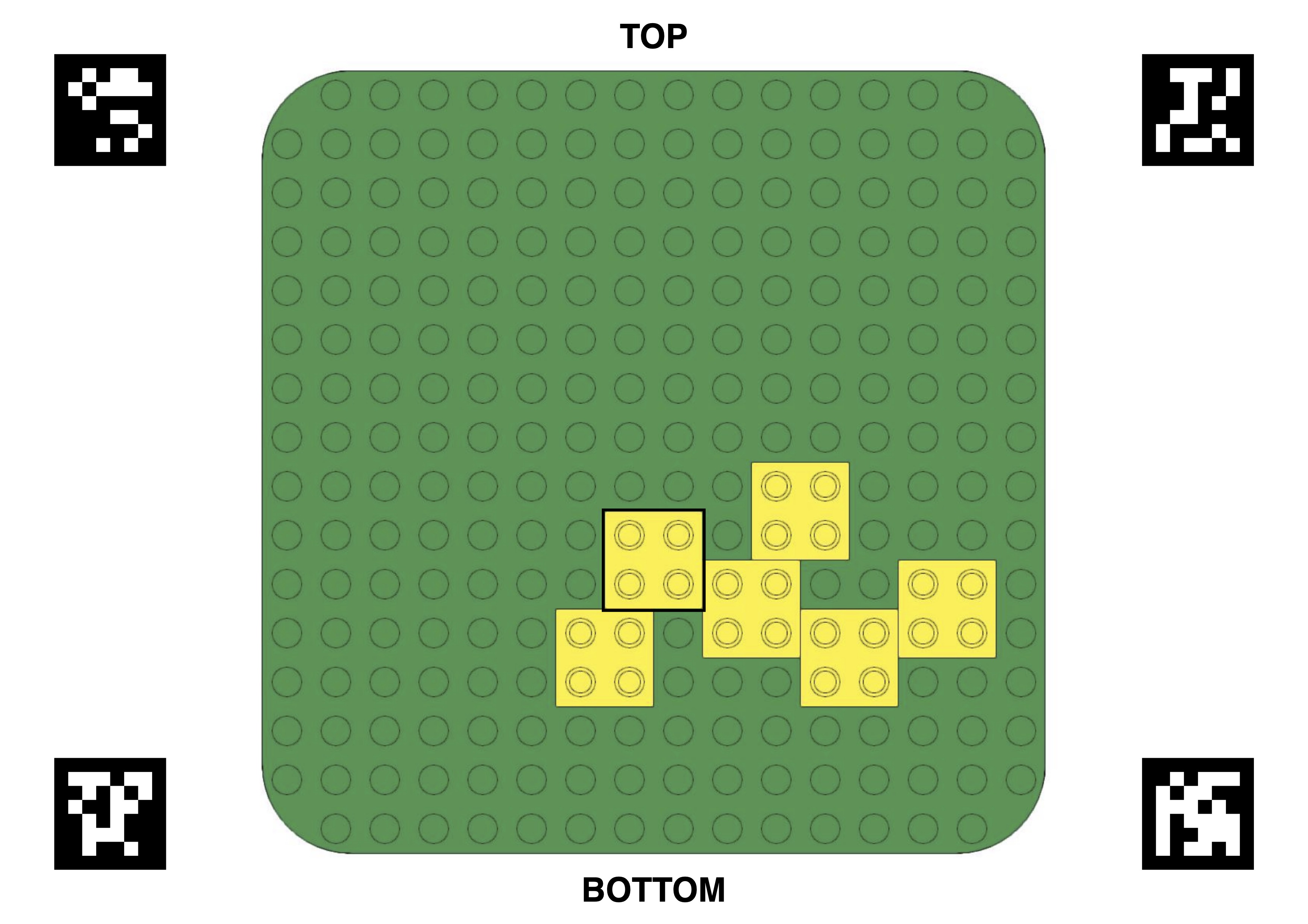
Building Game
A naturalistic paradigm paired with the Shopping Game to probe far-analog stability. Participants complete analogous memory-use decisions in a Lego Duplo building task, allowing us to test whether individual memory strategies remain stable in a task with physical manipulatives.
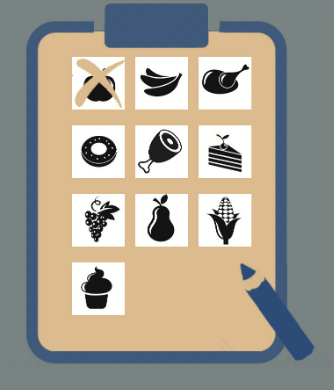
Shopping Game
An adapted version of the Shopping Game paradigm (Koolhaas et al., 2026; Liang et al., 2025; Blaser & Kaldy, 2024). Participants use a touchscreen to shop in a virtual store using a shopping list that they can toggle to and from. We measure how much each participant chooses to remember versus revisit the list and whether these strategies are stable across time
EM9: Stable Individual Differences in Strategic Visual Memory Use
This project investigates whether individual differences in how children (EM9_K) and adults (EM9_A) balance internal working memory and using external resources — the sampling–remembering trade-off — are stable across time and context. In naturalistic tasks, participants can choose to remember information or sample from an external source; we ask whether the strategies people adopt in that trade-off persist across similar tasks and short periods of time.
Shopping Game
An adapted version of the Shopping Game paradigm (Koolhaas et al., 2026; Liang et al., 2025; Blaser & Kaldy, 2024). Participants use a touchscreen to shop in a virtual store using a shopping list that they can toggle to and from. We measure how much each participant chooses to remember versus revisit the list and whether these strategies are stable across time
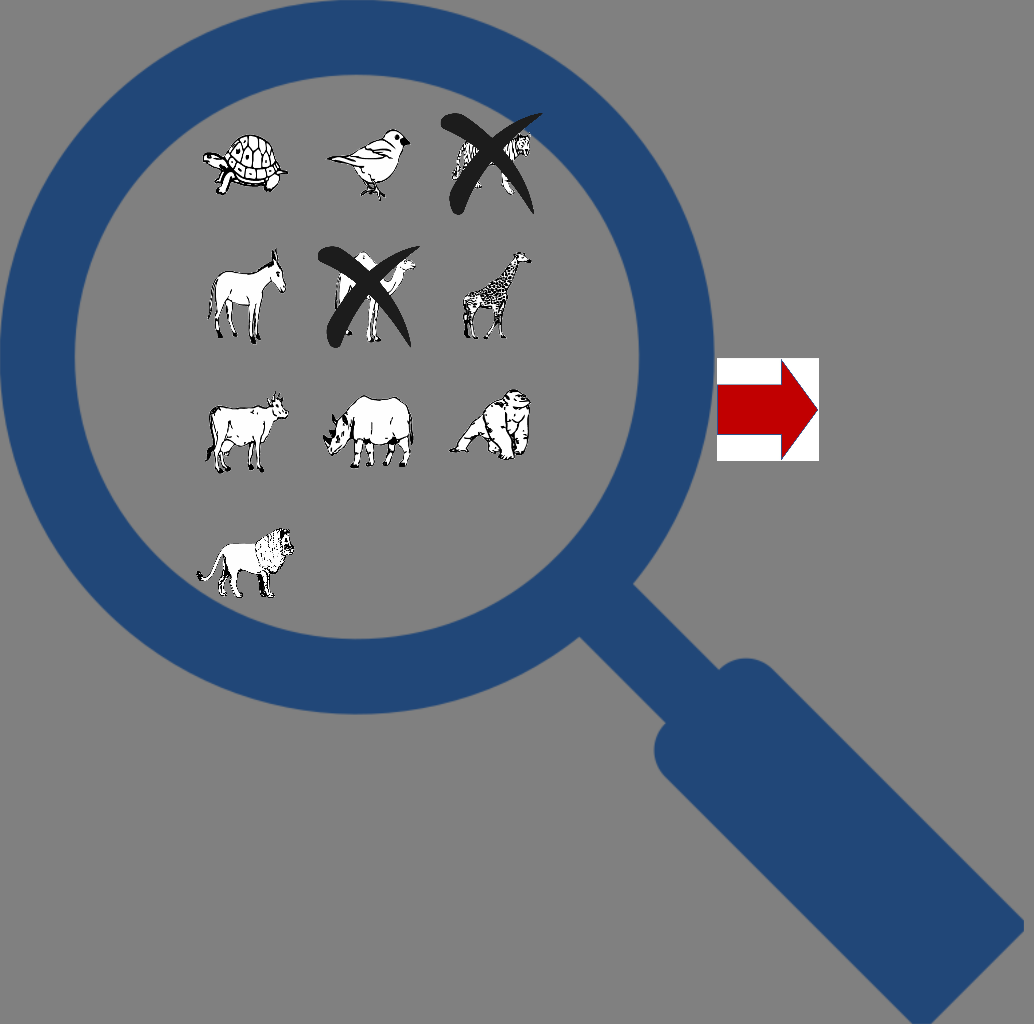
Zoo Game
A second naturalistic paradigm paired with the Shopping Game to probe near-analog stability. Participants complete analogous memory-use decisions in a zoo-escape scenario, allowing us to test whether individual memory strategies persist beyond a single task.
Past Projects
EM8 Pilots
This project investigated the same core question as EM9: whether individual differences in how people balance internal working memory and using external resources — the sampling–remembering trade-off — are stable across time and context. EM8 comprised pilot studies with adults (EM8_1) and children (EM8_2) using adapted versions of the Shopping Game and Zoo Game paradigms to refine task parameters, validate measures, and inform the design of the full EM9 study.